
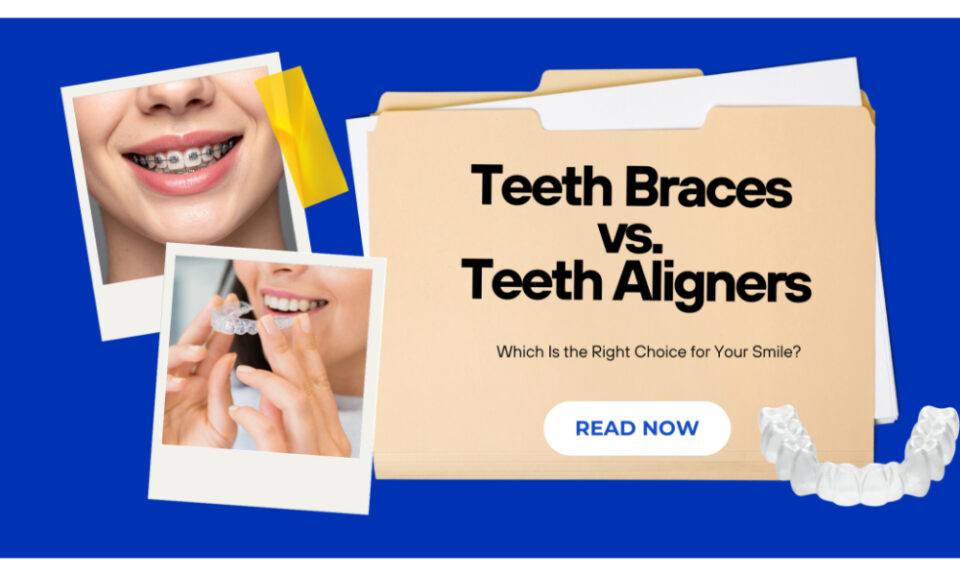
Are you stuck deciding between braces and aligners for straighter teeth? You’re not alone. Many people struggle with the same questions: Which option works better? Is one more comfortable? Will you have to give up foods or change your daily routine? No one wants to regret their choice or waste time and money on a fix that doesn’t fit their life.
If you’ve wondered how these treatments really compare, what the day-to-day looks like, or how they affect your health and confidence, keep reading. This blog will discuss what is right for you. So, before you make a decision that affects your smile for years to come, explore every angle below; you might be surprised at what matters most.
Why Do Straight Teeth Matter?
It’s about more than smiling in photos. Crooked teeth make daily brushing harder. Food gets stuck. Cavities creep in. Sometimes, jaws hurt or don’t align. A healthy mouth starts with teeth that fit together properly. The question is, how do you help your patients reach that goal?
What Are Teeth Braces?
Think of braces as the classic tool. Metal brackets are glued to the teeth and attached with wires. Every few weeks, you tighten those wires, guiding teeth into line. Braces might be “old-school,” but they can tackle almost any dental challenge, from a tiny twist to a severe crossbite.
The Specifics:
- Works well for all types of cases, even severe crowding.
- Fixed to the teeth, so there’s no forgetting or skipping wear time.
- Requires extra effort to clean around wires and brackets.
- Eating popcorn or sticky candy? Not the best idea with braces on.
- Treatment often lasts 18 months or longer for complex cases.
What this really means is teeth braces give you direct control, but you’ll need to pay extra attention to cleaning and comfort.
What Are Teeth Aligners (Invisible Braces)?
Aligners are custom trays that slide over teeth. They’re clear; most people won’t even notice them. You switch to a new set every few weeks as the teeth slowly shift. Here’s the thing: aligners don’t get in your way when eating or brushing. You take them out, eat anything you want, clean your teeth, and pop the tray back in.
The Details:
- Best for mild to moderate alignment problems.
- You must wear them for about 22 hours a day for them to work.
- Smooth, so less mouth irritation.
- Need regular cleaning; aligners can trap bacteria if ignored.
- Average cases wrap up in 4–10 months.
Aligners fit into busy lives, but you need the discipline to wear them.
Comparing Braces and Aligners: What Matters Most?
Let’s make this easy. Here’s a side-by-side look at how traditional teeth braces stack up against teeth aligners, invisible braces, the stuff your patients really care about:
| Feature | Teeth Braces | Teeth Aligners (Invisible Braces) |
| Looks | Visible brackets and wires | Clear trays, nearly invisible |
| Comfort | Can irritate gums and cheeks | Smooth, less irritation |
| Cleaning | Takes extra effort | Take out and brush normally |
| Eating | Avoid sticky, hard foods | No food limits, just remove aligners |
| Effectiveness | Best for severe cases | Great for mild/moderate cases |
| Wear Time | Stays on teeth, 24/7 | Must wear 22 hours/day |
| Duration | 18–24 months for most cases | 4–10 months for many cases |
| Cost (India) | ₹18,000–₹150,000 | ₹55,000–₹300,000 |
| Appointments | Monthly check-ins | Fewer visits usually |
| Emergencies | Broken wires/brackets possible | Lost or cracked tray needs replacement |
This orthodontic research study compares traditional braces with Invisalign, including treatment duration, patient satisfaction, and long-term stability.
What Should You Watch Out For?
Just because aligners sound easy doesn’t mean they’re for everyone. If a teen has trouble remembering their homework, they’ll likely forget their tray. Complex bite issues? Braces can get more predictable results. If comfort and looks matter most, aligners win points. But teeth braces are your steady tool for tougher fixes.
Case Study: Two Patient Scenarios
Scenario 1: The Busy Teen Who Plays Soccer
An active 15-year-old barely slows down, with school, sports, and hanging out with friends. Aligners could work, but they might get lost on the field. Braces won’t go missing, but they might get bumped in a match. Here’s your advice: For teens with busy, unpredictable days, braces offer peace of mind. If the patient is responsible and wants something discreet, aligners are an option. But follow-up is key.
Scenario 2: The Adult Who Wants Subtle Treatment
A 30-year-old office worker meets clients face-to-face every week. He wants his teeth straightened, but doesn’t want metal showing during meetings. You might steer him toward aligners. He can pop them out for meals, presentations, or coffee breaks, and even keep up with brushing after snacks.
Tips for Helping Patients Choose
- Look at their dental problem: If it’s simple, either option works. For tough cases, braces are usually best.
- Ask about their routine: Will they remember the aligners every day? Are they worried about looks?
- Discuss comfort: Some folks get mouth sores with teeth braces. Aligners tend to be kinder on the cheeks.
- Money counts: Metal braces cost less. Aligners, especially custom ones, push prices higher in most clinics.
- Hygiene matters: If cleaning is a struggle, aligners make it simple. Braces need careful brushing and flossing.
Advice for Your Practice
If you’re an orthodontist, don’t just lean on what’s popular. Make sure your patient understands the ground rules for both treatments. A quick rundown on food restrictions, cleaning routines, and checkup times adds real value. Don’t skip explaining that severe problems need tried and true fixes, while mild misalignments call for more flexible options.
FAQs
How fast will teeth move with braces compared to aligners?
Aligners often finish simple cases faster, sometimes in as little as four months. Braces need more time, especially when problems are complex.
Are teeth aligners really invisible?
Pretty much. Unless someone looks very closely, clear trays blend in well with your teeth.
Can aligners treat every orthodontic issue?
Not always. If the problem is minor or moderate, aligners work well. More challenging cases, like jaw shifts or significant crowding, need teeth braces.
Which system hurts more, braces or aligners?
Braces can cause sore spots and irritation from wires. Aligners might make teeth feel tight at first, but most people say the discomfort fades fast.
Repurpose This Advice
You can turn these tips into handouts for patients, quick training videos for staff, share infographics on your website, or create landing pages for different patient types. Sharing these real-life, direct comparisons helps your patients make wise decisions, without confusion.
Where To Go Next?
If you need more details about the types of dental problems that can be solved with aligners, check the Treatable Cases section on the Eledent Aligners website; the info there is practical, thorough, and straight to the point.
Conclusion
There’s no one-size-fits-all answer to teeth straightening. Braces and aligners both have strengths. Teeth braces offer control and reliability for challenging cases. Aligners are more comfortable and subtle. The real secret: Matching the method to your patient’s life makes all the difference. At Eledent Aligners, these choices are always about you, the patient. What helps you smile with confidence? That’s what matters most.
If you want to learn more, book a consult or share this info with your dental team. Wise choices lead to healthy, happy smiles, now and years from now.
