
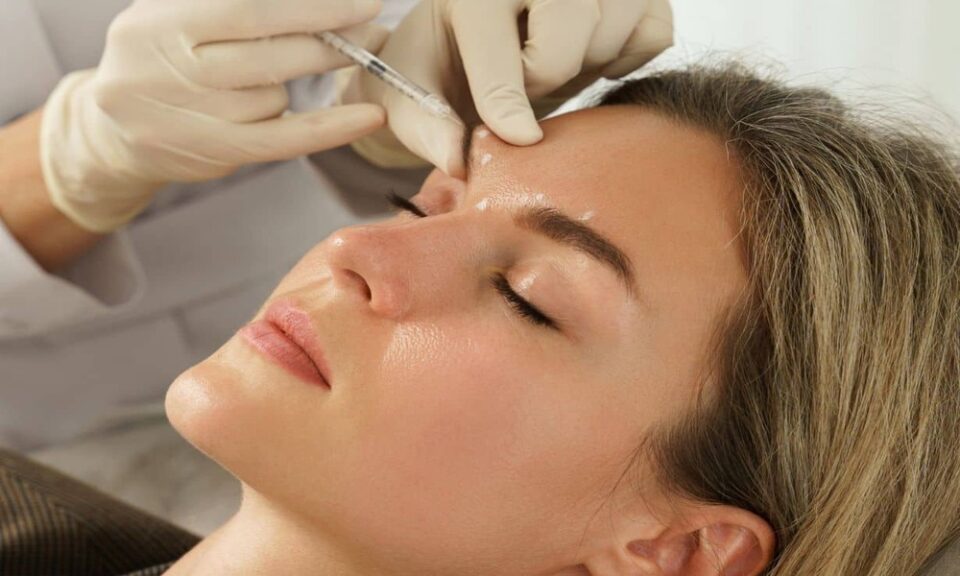
Walking into your first facial filler appointment, a cocktail of curiosity and nerves is normal. Whether you are seeking plumper lips, smoother skin, or redefined cheekbones, preparation can make all the difference. Understanding what to expect and how to get ready ensures a smoother experience and better results.
What Are Facial Fillers? Understanding the Basics
Facial fillers are non-surgical injectables that restore volume, soften wrinkles, and enhance contours. Most fillers rely on hyaluronic acid, a substance naturally found in your skin, which hydrates and plumps targeted areas. Some advanced formulations also address specific needs like deeper folds or subtle shaping.
Choosing the right type of filler matters. Hyaluronic acid is the most commonly used because it is reversible and biocompatible, making it a safe option for first-timers. Other formulations exist, but these may have different longevity or risk profiles, so be sure to discuss the options with your provider.
The immediate boost is often visible as soon as the treatment ends, but optimal results (especially with swelling and minor redness) appear in a few days. Effects can last anywhere from six months to two years, depending on the product and area treated, giving you both flexibility and long-term value.
From lips and cheeks to chins, jawlines, and even undereye hollows, fillers target a spectrum of concerns. Each area requires tailored expertise and a careful eye for proportion.
Comparing Preparation Approaches: Medical Expertise vs. DIY Research
A sea of online advice tempts many to prepare for their filler appointment by watching videos or combing through forums. However, there is no substitute for medical expertise. Clinics employing seasoned injectors, such as those offering Clinique Mediluxe fillers, can assess your unique facial structure, listen to your goals, and design a plan that keeps you safe.
Skipping the professional consultation and relying on DIY internet research increases the risk of poor outcomes. Without a thorough medical assessment, you may overlook allergies, health issues, or contraindications that could compromise your results or safety.
The value of a personalized treatment plan becomes clear when you see natural, balanced results that align with your aesthetic preferences, all while minimizing risks.
Pre-Appointment Requirements: What You Must Know
Before your appointment, consider your health and lifestyle. Avoid blood-thinning medications (like aspirin or certain supplements) for several days prior, unless otherwise directed by your doctor, since these increase the risk of bruising.
Some conditions mean you should postpone or skip fillers altogether. Contraindications include pregnancy, breastfeeding, certain autoimmune diseases, and active skin infections.
Setting realistic expectations is key. Fillers can refresh your appearance, but they cannot create an entirely new face. Understanding what is achievable helps you feel satisfied with your results.
Different Appointment Protocols: What to Expect
The first step is a consultation. Some clinics rush this phase, but reputable providers invest time getting to know you and your concerns. Expect a comprehensive assessment rather than a quick “what do you want done?” chat.
Actual filler application usually takes 15 to 30 minutes. Techniques like using ice, topical numbing, or ultra-fine needles help minimize discomfort. Most patients describe the sensation as a mild pinch or pressure.
Right after treatment, your provider should review aftercare instructions. Recommendations may vary, but you will generally be advised to avoid heavy exercise, touching treated areas, or applying makeup for several hours.
Side Effects and Risks: Mild and Moderate Reactions Compared
Minor reactions are common: redness, swelling, or irritation at injection sites. These usually resolve in a day or two. Rare complications like infections, lumps, or vascular issues require prompt medical attention.
Aftercare varies by clinic. Some will suggest gentle massage, while others recommend leaving the area untouched. Follow your provider’s advice closely to speed up recovery and reduce side effect risks.
Cost and Session Planning: Budgeting Your Filler Journey
Filler treatments are typically priced per syringe, starting around $600. Some clinics offer package deals or suggest multiple sessions for gradual, natural results. Here’s a quick comparison:
| Approach | Upfront Cost | Longevity | Number of Visits |
|————————|————–|—————|——————–|
| Single session | Higher | 6-24 months | 1 |
| Staged treatments | Lower each | Cumulative | 2+ |
| Package deals | Discounted | Varies | Multiple |
Choosing a conservative approach (fewer syringes) often means lower initial costs and subtle changes. More extensive treatments may deliver dramatic results but increase both price and potential recovery time.
Follow-Up and Maintenance: Different Strategies for Long-Term Satisfaction
Some clinics schedule follow-ups as standard, while others leave it to you to reach out if needed. Monitoring your results and keeping an open line with your provider allows for timely tweaks and touch-ups.
Self-care is vital. Protect your investment by following aftercare advice, avoiding excessive sun, and using recommended skincare products. Staying engaged with your clinic ensures ongoing satisfaction.
Making the Final Decision: Balancing Expectations, Safety, and Outcomes
Choose a clinic with medical credentials, positive reviews, and evidence of safe, high-quality service. Consider how well the clinic aligns with your goals and comfort level. If anything feels rushed or unclear, do not hesitate to pause or seek a second opinion.
Preparing for your first filler appointment means more than just booking a slot. With expert guidance, realistic expectations, and smart self-care, your first experience can open the door to subtle, beautiful, and confidence-boosting results.
