
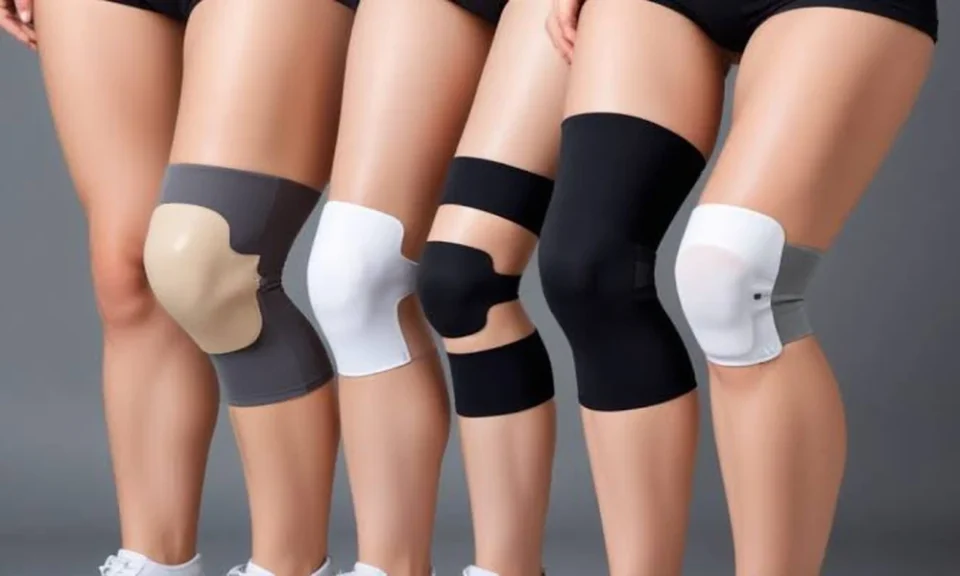
Whether you’re an athlete or have a long hour desk job, you might have experienced a dull discomfort in your knees. There isn’t always an option of ignoring it, when your day to day tasks get sidelined due to it. In situations like this, people turn to the most accessible and popular solution available, a knee cap for pain relief.
A knee cap or compression sleeve is an elastic, slip-on support designed to provide light compression. It can trap heat and boost blood flow around the joint. It majorly assists mobility and reduces mild discomfort.
Knowing exactly when to wear a knee cap can make a significant difference while dealing with the discomfort. This guide will help you understand situations that can be eased with a knee cap.
Let’s dive in!
Top 10 Situations Where Wearing a Knee Cap Helps
1. Prolonged Standing Jobs
Some professionals spend long hours a day standing. Since, gravity pulls blood and fluid downward, which results in a throbbing swelling. The knee cap applies external pressure to the veins. Thus helps in preventing edema and muscle fatigue.
2. Osteoarthritis Management
Cartilage gets degraded from osteoarthritis which causes loss of cushioning in between joints. When movement occurs, there can be friction and stiffness. The knee sleeves maintain constant body heat in the area which keeps the synovial fluid warm and lubricated. This further reduces stiffness and deep dull ache associated with early arthritis.
3. High-Impact Strength Training
Lifting heavy weights puts tons of pressure on the knee joint. A tight elastic knee cap provides structural aid by compressing the surrounding muscles lightly against the joint. This increases the brain’s ability to sense the exact positioning of the joint. It helps in ensuring safe form during deep bending exercises.
4. Repetitive Functional Exercising (CrossFit)
High intensity interval training involves rapid explosive movements like box jumps and burpees. The continuous pounding can affect the tendons present around the knee. A knee cap absorbs some portion of the shock, thus lowering the stress.
5. Post Workout Recovery
After an intense training, fluid can build up around the joint, causing localized swelling. Wearing a knee cap for a few hours after exercise can act as a mechanical pump. The graduated compression promotes draining of metabolic waste from the knee. It helps in bringing fresh oxygenated blood to the area helping tissue repair.
6. Long Distance Running (Runner’s Knee)
The repetitive impact of the leg striking while running can cause the kneecap to rub against the thigh bone, leading to patellofemoral pain syndrome. An open patella knee cap features a cut out ring that physically aids the kneecap. This ensures the patella smooth movement in its natural groove rather than tilting outward and reducing friction.
7. Returning to Sport After a Minor Sprain
After a mild ligament stretch or a minor meniscus injury, the joints can feel unstable. The primary benefit of knee caps is psychological and neuromotor. The sensory feedback from the fabric to the skin triggers the surrounding stabilizing muscles to prevent accidental twists while healing.
8. Long Distance Commutes
Sitting cramped in daily commutes can cause the knee joints to lock up and restrict blood circulation. A light knee cap keeps the joint warm to prevent stiffness while providing the mild compression needed to reduce fluid buildup.
9. High Jumping Sports (Jumper’s Knee)
Sports like basketball, volleyball and badminton require frequent higher vertical jumps and sudden landings, placing intense strain on the tendon around the knees. Knee caps act like a shock absorber which distributes the load across a wider surface area and prevents tendonitis.
10. Cold Climates
Many individuals with joint conditions experience a sharp increase in knee pain during cold winter months. Cold temperatures cause joint fluids to thicken and muscles to contract which increases friction. A knee cap acts as an insulator, externally maintaining warmth in the area keeping joints flexible.
When Knee Caps Isn’t RecommendedSevere Structural InjuriesA soft knee cap is not useful if you have just suffered a major trauma like:
- ACL
- MCL
- PCL
- Severe Meniscus Tear
These injuries cause severe structural instability. A soft elastic sleeve cannot prevent the knee from buckling or shifting sideways.
- Prolonged Overuse (Without Medical Guidance)
Wearing it all day and while sleeping is not recommended. Your body adapts quickly. If the sleeve is constantly doing the work of stabilizing your leg, it will stop natural work. Over time, these stabilizing muscles will weaken, making your knee more unstable when removing the sleeves.
- Poor Blood Circulation
If your circulatory system is suffering from damage, the elastic band can cut off essential arterial blood flow to your lower leg and foot or increase the nerve numbness.
- Active Wound
If you have unhealed wounds around the knee area, knee sleeves can trap sweat, moisture as well as heat against the skin. This can cause bacterial growth, which can turn a minor injury into a severe infection.
If your knee physically locks in place or completely gives out, light knee caps aren’t of any use. Locking usually indicates a mechanical loose body inside the joint. A knee cap will not fix this mechanical issue and can cause further joint surface damage.
Wrapping Up
A knee cap is an amazing accessory which provides mild support and compression. This is highly useful in long comfortable wear required by daily travellers and prolonged desk workers. It can help to ease the discomfort experienced in early arthritic symptoms.
But, it isn’t an ultimate treatment to every problem. There are some scenarios where knee caps are generally not recommended like in active unhealed wounds. Incorporate it along with basic health measures to have a desirable outcome from it. Understanding your need for a knee cap for pain relief helps you choose the right support for them and improves movement with confidence.
